- English
- Español
- Português
- русский
- Français
- 日本語
- Deutsch
- tiếng Việt
- Italiano
- Nederlands
- ภาษาไทย
- Polski
- 한국어
- Svenska
- magyar
- Malay
- বাংলা ভাষার
- Dansk
- Suomi
- हिन्दी
- Pilipino
- Türkçe
- Gaeilge
- العربية
- Indonesia
- Norsk
- تمل
- český
- ελληνικά
- український
- Javanese
- فارسی
- தமிழ்
- తెలుగు
- नेपाली
- Burmese
- български
- ລາວ
- Latine
- Қазақша
- Euskal
- Azərbaycan
- Slovenský jazyk
- Македонски
- Lietuvos
- Eesti Keel
- Română
- Slovenski
- मराठी
- Srpski језик

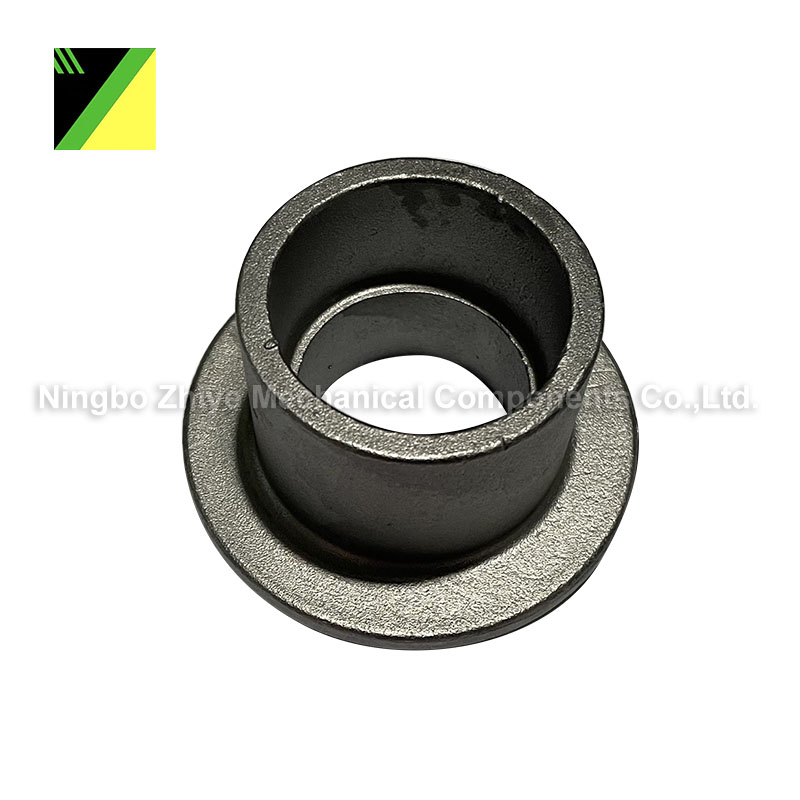
What Is a Silica Sol Precision Casting Joint?
In modern industrial manufacturing, the demand for high-precision, high-strength, and complex metal components continues to grow across sectors such as automotive, energy, aerospace, construction machinery, and fluid control systems. Among these components, the Silica Sol Precision Casting Joint plays a critical role in connecting structures, ensuring sealing performance, and maintaining long-term mechanical stability. However, many buyers and engineers still face recurring challenges such as inconsistent dimensions, surface defects, high machining costs, and unreliable suppliers.
This comprehensive guide explores the Silica Sol Precision Casting Joint in depth, explaining what it is, how it is manufactured, why it outperforms traditional casting solutions, and how experienced manufacturers like Ningbo Zhiye Mechanical Components Co.,Ltd. help customers overcome common sourcing and performance pain points. Whether you are an engineer, procurement manager, or project decision-maker, this article will help you make confident and informed choices.
Article Abstract
This article provides a complete and practical overview of Silica Sol Precision Casting Joints, from fundamental concepts and production processes to real-world applications and quality control standards. It highlights the advantages of silica sol investment casting, compares it with alternative casting methods, and explains how precision joints can reduce total lifecycle costs. Special attention is given to customer pain points such as dimensional accuracy, material performance, lead time, and supplier reliability, with insights drawn from the manufacturing experience of Ningbo Zhiye Mechanical Components Co.,Ltd.
Table of Contents
- Understanding Silica Sol Precision Casting Joints
- Why Silica Sol Casting Is Used for Precision Joints
- Manufacturing Process Explained Step by Step
- Materials Commonly Used in Precision Casting Joints
- Key Advantages Over Traditional Casting Joints
- Common Customer Pain Points and Practical Solutions
- Application Scenarios Across Industries
- Quality Control Standards and Inspection Methods
- Design Flexibility and Customization Capabilities
- Cost Efficiency and Long-Term Value
- Why Choose Ningbo Zhiye Mechanical Components Co.,Ltd.
- Frequently Asked Questions
Understanding Silica Sol Precision Casting Joints
A Silica Sol Precision Casting Joint is a metal joint component produced through silica sol investment casting, a process known for achieving tight dimensional tolerances and smooth surface finishes. These joints are typically used to connect pipes, frames, mechanical assemblies, or structural parts where strength, alignment, and sealing integrity are essential.
Unlike conventional sand casting joints, silica sol precision casting joints can feature complex internal channels, thin walls, and refined geometries without extensive secondary machining. This makes them especially suitable for high-performance systems where precision and reliability cannot be compromised.
Why Silica Sol Casting Is Used for Precision Joints
Silica sol casting is a specialized form of investment casting that uses colloidal silica as the binder in ceramic shell formation. This method offers superior shell strength, excellent surface quality, and consistent dimensional control.
- Finer grain structure for improved mechanical properties
- Excellent surface finish, often reducing machining requirements
- High dimensional repeatability for batch production
- Adaptability to stainless steel, carbon steel, and alloy steel
Manufacturers such as Ningbo Zhiye Mechanical Components Co.,Ltd. rely on silica sol casting to deliver joints that meet demanding industrial standards while maintaining production efficiency.
Manufacturing Process Explained Step by Step
- Wax pattern creation based on precise joint design
- Assembly of wax patterns into casting trees
- Repeated dipping in silica sol slurry and refractory sand
- Shell drying and hardening under controlled conditions
- Dewaxing through steam or autoclave methods
- High-temperature shell firing for strength and cleanliness
- Molten metal pouring and controlled solidification
- Shell removal, cutting, grinding, and finishing
Each step is closely monitored to ensure consistency, especially for joint components that must fit precisely with mating parts. Ningbo Zhiye Mechanical Components Co.,Ltd. emphasizes process stability to minimize defects and variations.
Materials Commonly Used in Precision Casting Joints
| Material Type | Typical Grades | Key Characteristics |
|---|---|---|
| Stainless Steel | 304, 316, 316L | Corrosion resistance, hygiene, durability |
| Carbon Steel | WCB, 45# | High strength, cost-effective |
| Alloy Steel | 42CrMo, 20CrMo | Wear resistance, high load capacity |
Key Advantages Over Traditional Casting Joints
Compared with sand casting or forging, silica sol precision casting joints offer several notable advantages:
- Reduced material waste and machining allowance
- Improved surface finish and dimensional accuracy
- Ability to integrate multiple functions into one joint
- Lower risk of leakage and misalignment
These advantages translate into better performance and lower overall project costs, especially for complex assemblies.
Common Customer Pain Points and Practical Solutions
Customers sourcing precision casting joints often encounter issues such as inconsistent quality, delayed delivery, or limited customization options. Ningbo Zhiye Mechanical Components Co.,Ltd. addresses these challenges through standardized production systems, flexible tooling development, and strict quality inspection protocols.
By maintaining in-house control over mold design, shell making, casting, and finishing, the company ensures that each Silica Sol Precision Casting Joint meets both technical drawings and real-world operating requirements.
Application Scenarios Across Industries
- Pipeline systems and fluid control equipment
- Automotive structural and exhaust components
- Construction machinery connections
- Energy and power generation equipment
- Industrial machinery assemblies
Quality Control Standards and Inspection Methods
Precision joints must meet strict dimensional and mechanical standards. Typical inspections include:
- Dimensional measurement using CMM equipment
- Chemical composition analysis
- Mechanical property testing
- Visual and surface defect inspection
Ningbo Zhiye Mechanical Components Co.,Ltd. integrates quality checks throughout production rather than relying solely on final inspection.
Design Flexibility and Customization Capabilities
One of the strongest benefits of silica sol precision casting is design freedom. Complex joint geometries, internal channels, and weight-optimized structures can be achieved without compromising strength. Customized solutions help customers reduce assembly steps and improve system reliability.
Cost Efficiency and Long-Term Value
While the initial tooling investment may be higher than simple sand casting, silica sol precision casting joints often deliver lower total cost of ownership through reduced machining, fewer defects, and longer service life.
Why Choose Ningbo Zhiye Mechanical Components Co.,Ltd.
With years of experience in precision casting, Ningbo Zhiye Mechanical Components Co.,Ltd. has built a reputation for reliability, technical expertise, and customer-oriented service. The company supports clients from design optimization to mass production, ensuring that every Silica Sol Precision Casting Joint performs as intended.
Frequently Asked Questions
Is a Silica Sol Precision Casting Joint suitable for high-pressure systems?
Yes, when properly designed and manufactured, these joints provide excellent strength and sealing performance.
Can customized designs be produced in small batches?
Yes, flexible tooling and process control allow for both prototyping and medium-volume production.
What tolerances can be achieved?
Typical tolerances are significantly tighter than sand casting, often reducing the need for secondary machining.
How long is the typical production lead time?
Lead time depends on complexity and order volume, but experienced suppliers like Ningbo Zhiye Mechanical Components Co.,Ltd. optimize schedules for reliability.
If you are looking for reliable, high-quality Silica Sol Precision Casting Joints that meet demanding industrial requirements, Ningbo Zhiye Mechanical Components Co.,Ltd. is ready to support your project. Contact us today to discuss your drawings, specifications, and performance expectations, and discover how precision casting can add long-term value to your products.