- English
- Español
- Português
- русский
- Français
- 日本語
- Deutsch
- tiếng Việt
- Italiano
- Nederlands
- ภาษาไทย
- Polski
- 한국어
- Svenska
- magyar
- Malay
- বাংলা ভাষার
- Dansk
- Suomi
- हिन्दी
- Pilipino
- Türkçe
- Gaeilge
- العربية
- Indonesia
- Norsk
- تمل
- český
- ελληνικά
- український
- Javanese
- فارسی
- தமிழ்
- తెలుగు
- नेपाली
- Burmese
- български
- ລາວ
- Latine
- Қазақша
- Euskal
- Azərbaycan
- Slovenský jazyk
- Македонски
- Lietuvos
- Eesti Keel
- Română
- Slovenski
- मराठी
- Srpski језик

Why Is Carbon Steel Silica Sol Investment Casting Shifting Bar Essential for Modern Manufacturing?
The Carbon Steel Silica Sol Investment Casting Shifting Bar has emerged as a crucial component in precision manufacturing, providing durability, accuracy, and efficiency. This article explores its composition, applications, advantages, and maintenance practices. We aim to address the key challenges manufacturers face and provide actionable insights for optimizing production processes.
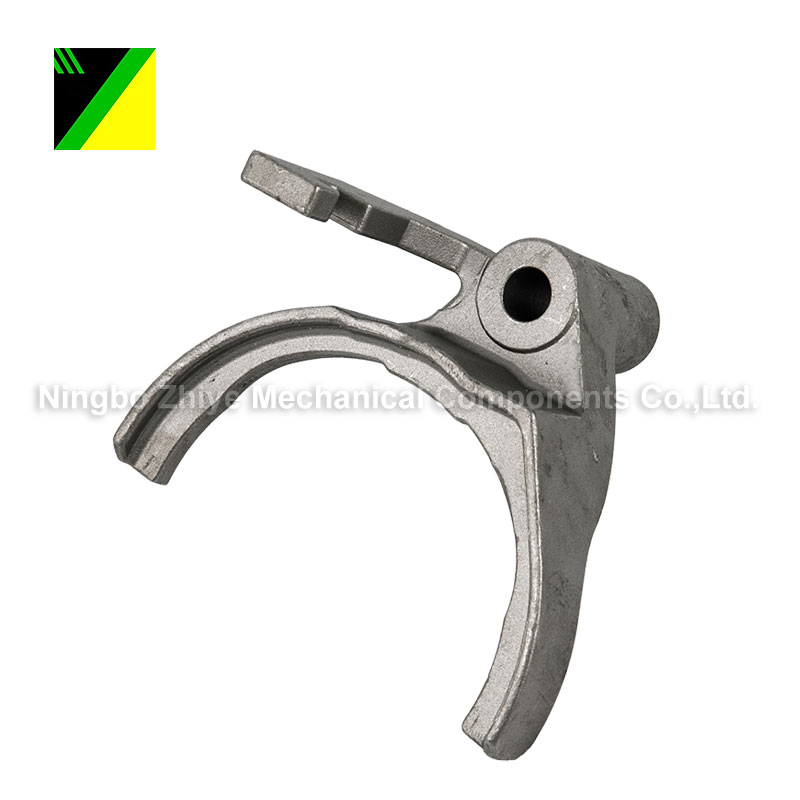
Table of Contents
1. Introduction 2. What Is Carbon Steel Silica Sol Investment Casting Shifting Bar? 3. Manufacturing Process Overview 4. Key Applications in Industries 5. Advantages and Performance Features 6. Maintenance and Longevity 7. Common Challenges and Troubleshooting 8. FAQ 9. Conclusion
1. Introduction
Investment casting has revolutionized the production of complex metal components, particularly in industries requiring high precision such as aerospace, automotive, and machinery manufacturing. Among the components, the shifting bar, particularly those made from carbon steel using silica sol molds, is a cornerstone for accuracy and repeatability.
2. What Is Carbon Steel Silica Sol Investment Casting Shifting Bar?
The Carbon Steel Silica Sol Investment Casting Shifting Bar is a precision-engineered tool used in investment casting processes. It serves as a mold support or alignment bar during the casting of metal parts. Key attributes include:
- Material Composition: High-quality carbon steel with superior mechanical strength.
- Coating: Silica sol coating provides high-temperature resistance and mold stability.
- Functionality: Ensures accurate alignment and smooth operation during casting.
Its importance lies in its ability to reduce defects, minimize misalignment, and improve overall yield during the casting process.
3. Manufacturing Process Overview
The production of these shifting bars involves several critical steps, each contributing to the final quality and performance:
- Carbon Steel Selection: Choosing steel with optimal carbon content for durability and machinability.
- Precision Machining: Cutting and shaping bars to exact specifications.
- Silica Sol Coating: Applying silica sol to create a stable mold interface.
- Heat Treatment: Enhancing hardness and stress resistance.
- Final Inspection: Quality control using dimensional checks and surface evaluation.
Below is a comparison table of different carbon steel grades used in shifting bars:
| Steel Grade | Carbon Content | Hardness | Typical Application |
|---|---|---|---|
| 1045 | 0.45% | 200-220 HB | General-purpose shifting bars |
| 4140 | 0.40% | 220-250 HB | High-stress casting molds |
| 4340 | 0.40% | 230-260 HB | Heavy-duty industrial applications |
4. Key Applications in Industries
Carbon Steel Silica Sol Shifting Bars are widely used across multiple sectors:
- Aerospace: High precision parts like engine mounts, landing gear components.
- Automotive: Engine blocks, suspension components, and structural supports.
- Machinery Manufacturing: Industrial equipment requiring durable and heat-resistant molds.
- Energy Sector: Turbine blades and specialized metal castings.
The ability to withstand high temperatures and maintain dimensional stability is key to their success in these applications.
5. Advantages and Performance Features
Investing in carbon steel shifting bars coated with silica sol provides multiple benefits:
- Durability: High resistance to wear and mechanical stress.
- Precision: Ensures consistent alignment and reduces casting defects.
- Thermal Resistance: Silica sol coating withstands extreme temperatures during molten metal casting.
- Cost Efficiency: Reduces scrap rate and improves productivity.
- Ease of Maintenance: Simple cleaning and surface inspection prolongs lifespan.
6. Maintenance and Longevity
Proper maintenance can significantly extend the life of your shifting bars:
- Regular inspection for wear and deformation.
- Cleaning with non-abrasive solvents to remove residue.
- Reapplying silica sol coating if surface degradation occurs.
- Storing in a dry, temperature-controlled environment to prevent corrosion.
By following these practices, manufacturers can achieve optimal performance and reduce downtime.
7. Common Challenges and Troubleshooting
Even high-quality shifting bars can encounter issues:
- Warping: Caused by uneven heating or cooling. Solution: Controlled temperature cycling.
- Surface Cracks: Occur due to thermal stress. Solution: Inspect and replace affected bars promptly.
- Mold Adhesion: Metal sticking to the shifting bar. Solution: Apply release agents or refine silica sol coating.
8. FAQ
Q1: How does silica sol coating improve performance?
A: It increases thermal resistance, prevents sticking, and provides a smooth mold interface.
Q2: Can carbon steel shifting bars be used for high-temperature alloys?
A: Yes, provided the silica sol coating is properly applied and maintained.
Q3: How long do these shifting bars typically last?
A: With proper maintenance, they can last several years depending on usage frequency and operating conditions.
Q4: Is customization available for different industrial needs?
A: Yes, manufacturers can produce custom sizes, shapes, and coatings to meet specific requirements.
9. Conclusion
The Carbon Steel Silica Sol Investment Casting Shifting Bar is an indispensable tool for precision casting. Its combination of durability, thermal resistance, and alignment accuracy makes it a vital component in modern manufacturing. By understanding its applications, maintenance requirements, and potential challenges, manufacturers can significantly improve productivity and product quality.
For premium-quality shifting bars and expert guidance, Ningbo Zhiye Mechanical Components Co.,Ltd. is your trusted partner. Contact us today to learn more about customized solutions for your manufacturing needs.